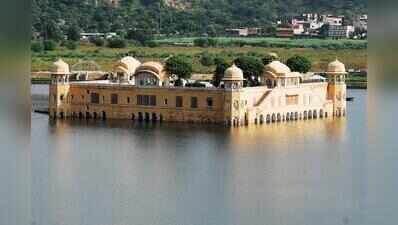
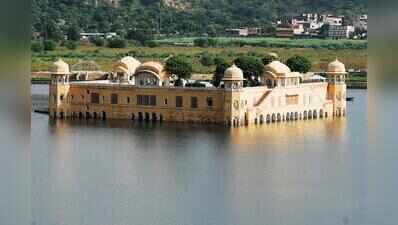
Jaipur: Jaipur’s sewage treatment infrastructure is falling far short of the city’s requirements, resulting in large volumes of untreated wastewater flowing into lakes, dams and wetlands, according to water resources department (WRD) officials.Speaking to TOI, a senior WRD official said studies revealed that nearly 80% of the water consumed in a day generates sewage water. While the Public Health Engineering Department supplies 700-800 million litres per day (MLD) of water in Jaipur, another 100-200 MLD is drawn from groundwater.“If the city’s total water consumption, including its outskirts, is around 1,000 MLD, nearly 800 MLD of sewage is generated. The city’s sewerage has a maximum capacity of only 450 MLD. The remaining sewage flows untreated into dams, wetlands, lakes and other waterbodies, polluting them. The historic Jal Mahal Lake on Amer Road is among the affected waterbodies,” stated a senior WRD official.Officials said four to five major dams and lakes on the city’s outskirts are regularly polluted by untreated sewage. Jaipur district has 114 dams.While the Jaipur Municipal Corporation has initiated infrastructure projects and standard operating procedures to improve waste management, experts said that urgent action is needed to address the sewerage shortcomings that threaten the region’s water quality.“The Jaipur Development Authority is creating a biological park at the Nevta Dam in Sanganer. There are several parks in Jaipur, and a few of them are in poor condition. The civic body must have considered utilising the space and the funds to create an STP instead,” an official added.