Jaipur: Jaipur was identified among 191 cities across the country at high risk of seasonal disease outbreaks during the monsoon and post-monsoon months, with eight other Rajasthan districts also flagged by the Union health ministry.The districts identified are Alwar, Barmer, Bikaner, Dausa, Sriganganagar, Jaipur, Jaipur Rural, Kota and Udaipur. According to the ministry, these districts reported more than 500 dengue cases in at least one year between 2023 and 2025. Uttar Pradesh has the highest number of flagged districts at 23, followed by Tamil Nadu with 22 and Karnataka with 18.The advisory follows India Meteorological Department projections of moderate to strong El Nino conditions during the southwest monsoon, with the greatest impact expected between July and Sept.
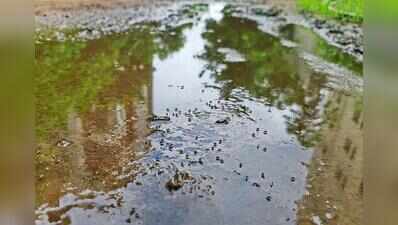
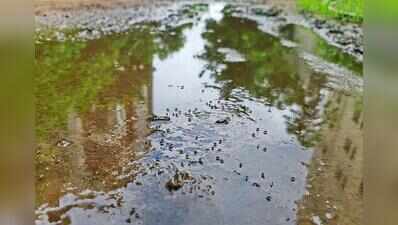
The health ministry said these conditions could increase the risk of diarrhoeal diseases, respiratory infections, malaria, dengue, chikungunya and heat-related illnesses, particularly in urban and peri-urban areas with poor drainage, stagnant water and strained health infrastructure.Following the advisory, Rajasthan’s health department has stepped up preparedness in the identified districts, including Jaipur. A senior health department official said district teams have been directed to strengthen coordination among health, civic, sanitation, water supply, disaster management and local administrative agencies to ensure a coordinated response.The department has prioritised vector control measures, elimination of mosquito breeding sites, fogging where required, safe drinking water supply, food hygiene inspections and public awareness campaigns on disease prevention and early reporting of symptoms.District authorities have also been instructed to maintain adequate stocks of essential medicines and emergency supplies, including ORS, IV fluids, antibiotics, anti-snake venom, rapid diagnostic kits, vaccines with cold-chain support, trauma care material, diagnostic supplies and blood components. Hospitals have been asked to ensure backup power, safe water supply, dedicated wards, bed nets, insecticides and other arrangements to maintain essential services during emergencies.Disease surveillance has also been intensified through regular reporting on the Integrated Health Information Platform (IHIP)-Integrated Disease Surveillance Project (IDSP) and IHIP vector-borne disease portals. Rapid Response Teams have been kept on standby to investigate disease clusters, contain transmission and respond quickly to potential outbreaks.