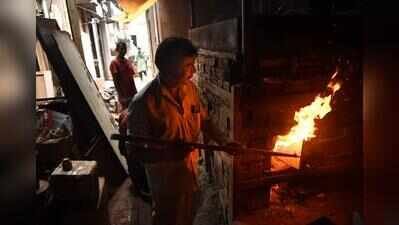
In an effort to preserve traditional art forms, music and handicrafts, Jaipur’s royal residence, City Palace, transformed into a month-long training school. The recently concluded summer camp, organised by the Maharaja Sawai Man Singh II Museum, revived traditional art forms such as miniature painting, block printing and dhrupad singing, while also introducing participants to nearly extinct crafts like araish and aala gila. Sarvatobhadra, the palace’s main courtyard, became a vibrant hub, drawing not only participants but also tourists eager to experience Jaipur’s rich cultural heritage. Watching young learners immerse themselves in these traditional art forms proved to be an enriching experience for visitors, offering a glimpse into the city’s enduring artistic legacy. The camp was organised by the Maharaja Sawai Man Singh II Museum Trust in collaboration with Rangreet Studio and Saraswati Kala Kendra.
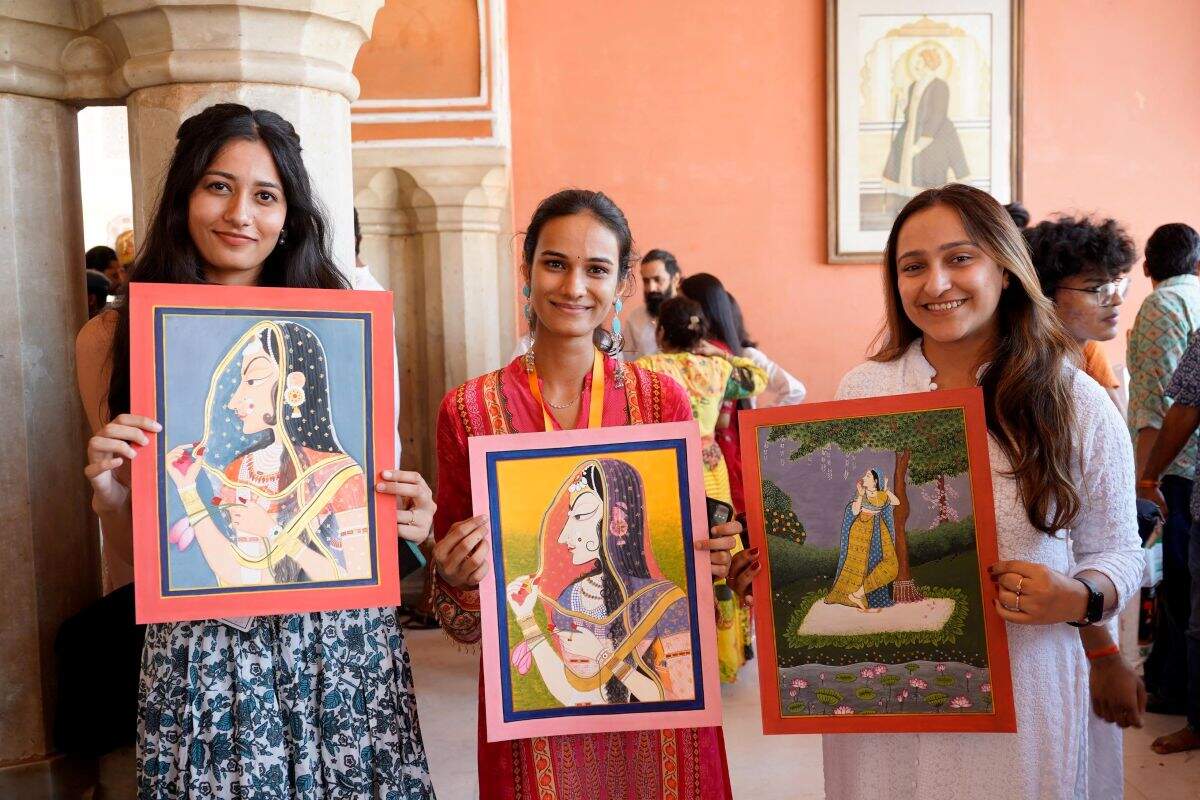
Participants got to learn the miniature art at the camp
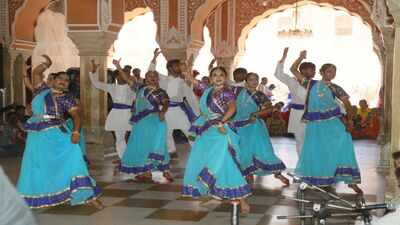
During the closing ceremony, participants presented captivating performances in Dhrupad, Kathak (Jaipur gharana), Rajasthani folk dance, flute and theatre, showcasing the skills they had acquired during the camp. A short play on the theme, The Contribution of the Kachwaha Dynasty to Sanatan Culture, emerged as one of the event’s biggest highlights. Visitors also appreciated an exhibition of works created during the camp, including miniature paintings, portraits, sketches, aala gila and araish art, calligraphy, and textile block printing. Over the month-long programme, participants also received training in Vedic astrology and the Dhundhari language.
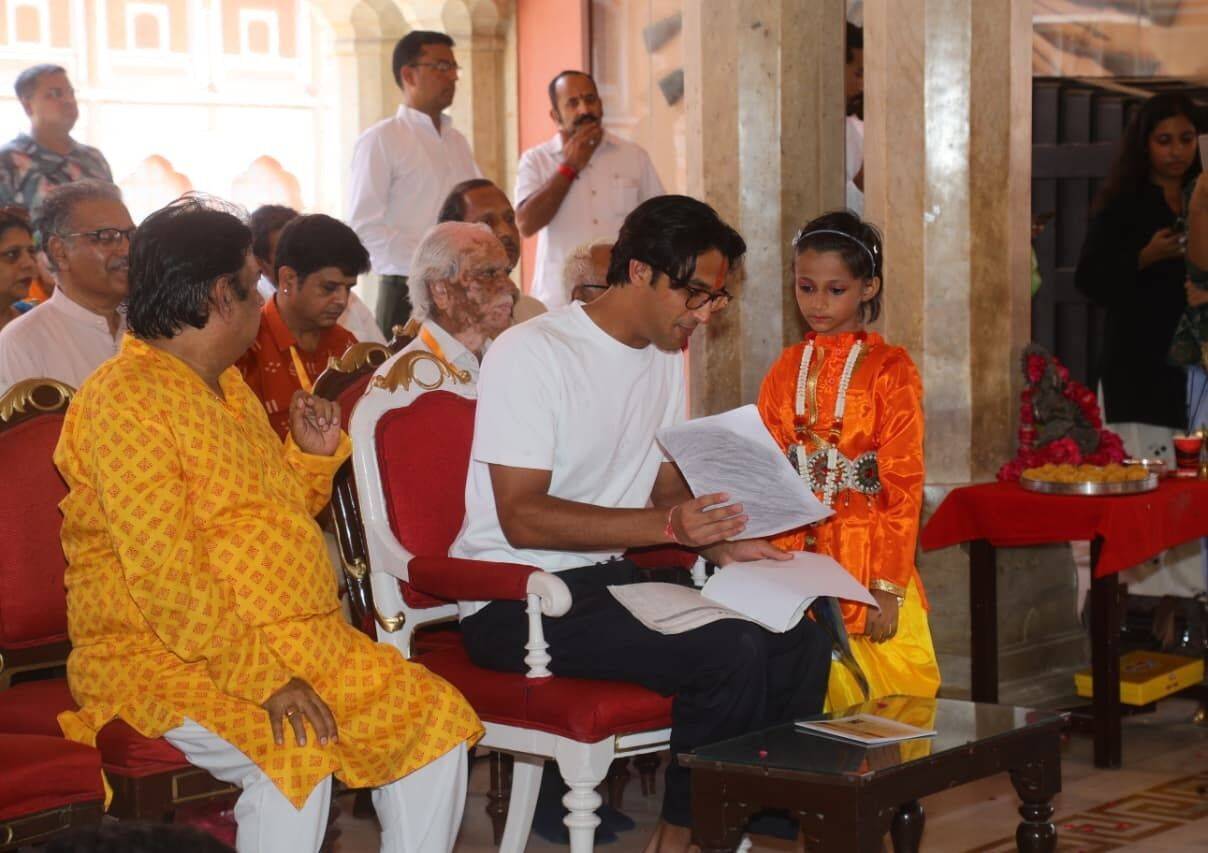
Little girl showing her painting to erstwhile royal Lakshraj Prakash of Sirmour
‘An important initiative to preserve and promote our art, culture and traditions’ Marking the conclusion of the cultural heritage camp, erstwhile royal Lakshraj Prakash of Sirmour attended the event as the chief guest. He lauded the participants’ artistic presentations and visited the painting exhibition. He says, “What the younger generation has learned through this camp will be passed on to future generations. This is not just a training camp, but an important initiative to preserve and promote our art, culture and traditions.”
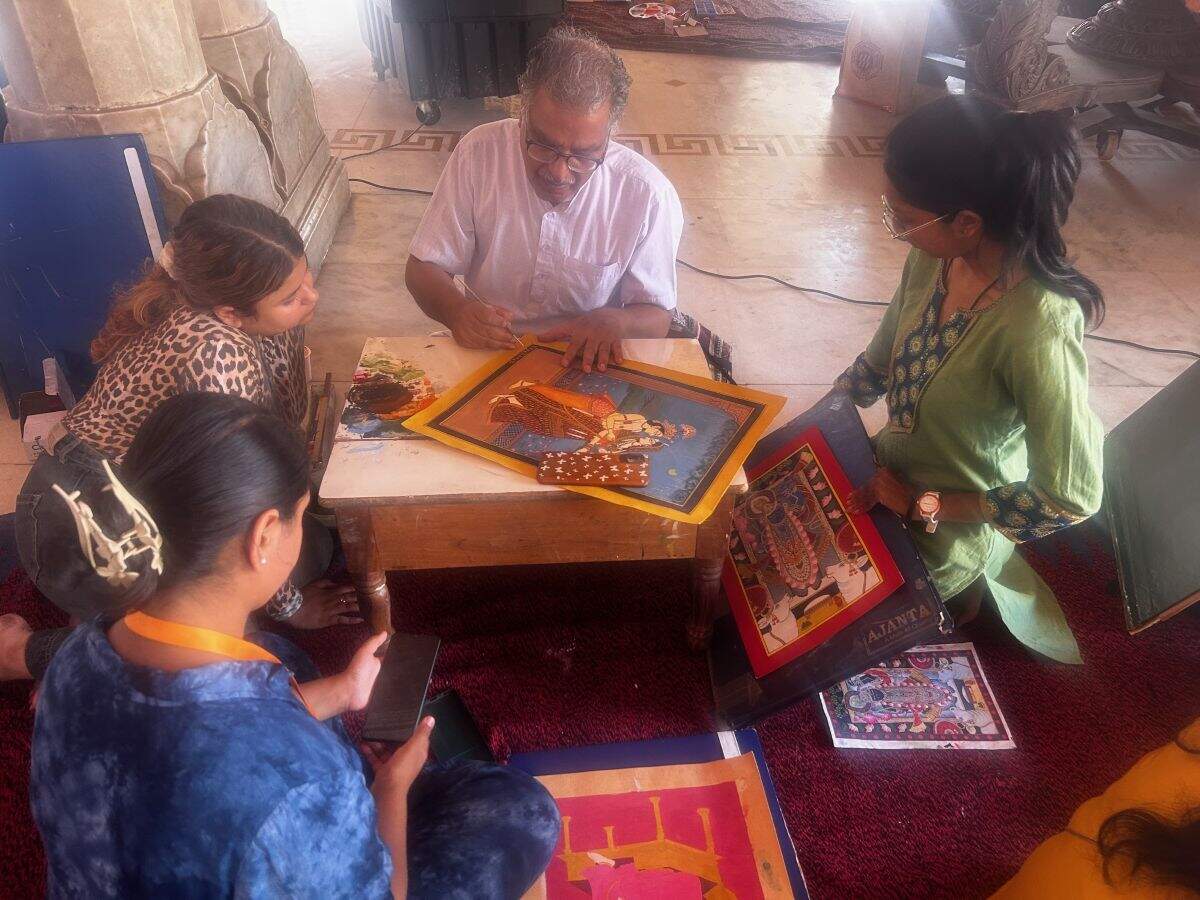
Artish Lakshami Narayan Kumawat teaching miniature art
‘We need to engage younger generations with these art forms’“The objective of such camps is to connect youth, students and art enthusiasts with Rajasthan’s traditional arts, music, dance, language and cultural heritage. To keep the tradition alive for our future generation, we should promote these arts among children at a tender age,” shares Ramu Ramdev, camp coordinator and OSD (Art & Culture), City Palace.National Award-winning artist Babulal Marotia, who taught nuances of miniature painting, adds, “We need to engage younger generations with these art forms to keep the tradition alive. I’m encouraged by the enthusiastic response from youngsters eager to learn miniature painting. They are curious to explore this rich artistic heritage, and thankfully, we have a platform to nurture that curiosity and quench their thirst for knowledge.”