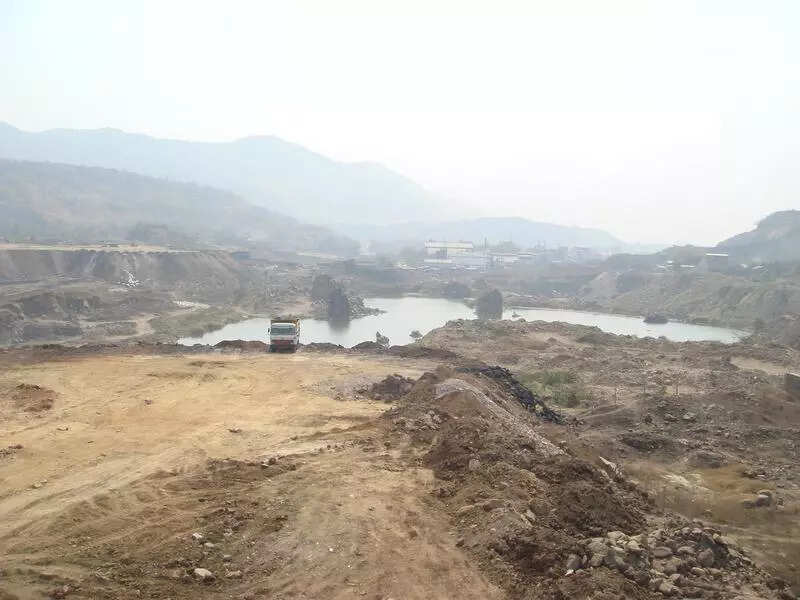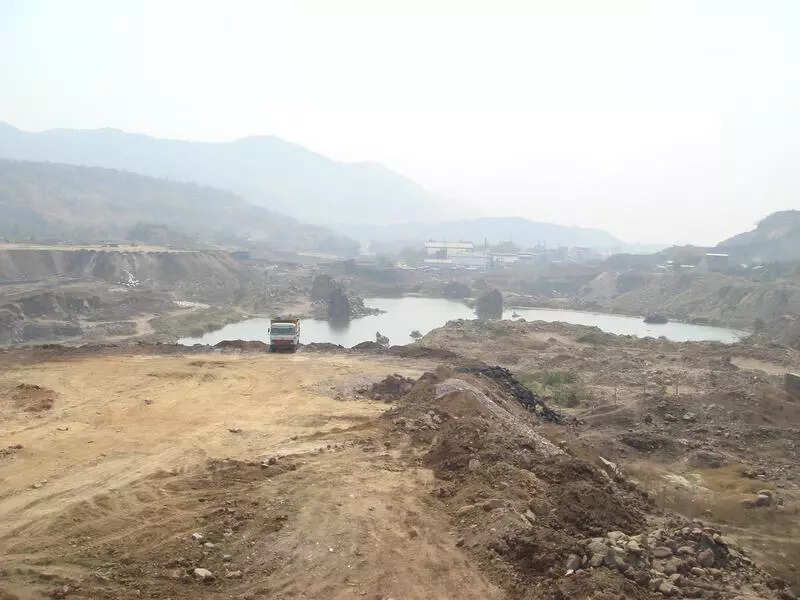
Jaipur: Environmentalists and local groups have raised strong objections to the Bikaner Development Authority’s (BDA) draft Master Plan, which proposes converting 27,000 bighas of pastureland into residential and commercial zones.Nathaniya Gochar, once claimed to be the largest pastureland recorded in the revenue records, serves as a crucial ecological buffer that sustains biodiversity and provides vital green cover.The draft plan, released on Aug 26, earmarks the pastureland for roads, housing, and business hubs. Citizens, organisations, and departments have been given until Sept 25 to file objections, after which the plan will be finalised.Prof Anil Kumar Chhangani, Head of Environmental Sciences at Maharaja Ganga Singh University, described the pastureland as Bikaner’s ‘oxygen tank’ that safeguards desert biodiversity. “This is not just open land. It is the lifeline for humans, animals, reptiles, and birds. Cattle from nearly 15 villages graze here. Earlier too, portions were diverted for projects such as Naal Airport, but the land was never compensated as per rules,” he said.During the recent state assembly session, urban development and housing minister Jhabar Singh Kharra assured that development projects would proceed only after consultation with public representatives. However, a local BJP worker alleged that no such consultation took place and that MLAs were not involved in the process. Despite repeated attempts by TOI, Bikaner (East) MLA Siddhi Kumari remained unavailable for comments.In the past couple of months, locals and public representatives in Bhilwara and Sikar have also protested govt officials not involving them while preparing cities’ master plans or urban development projects.Studies by Maharaja Ganga Singh University documented nearly 20 species of mammals, 17 reptile species, and more than 100 bird species in the pastureland, including chinkara, nilgai, wild boar, desert cat, jackal, vultures, and raptors. The area is also home to over 100 desert plant species such as khejri, rohida, ker, jal, and ber, along with grasses like sewan, dhaman, and kheemp. Researchers estimate the land holds over one lakh trees of immense ecological value. Locals alleged that at a time when habitats are being destroyed for large projects like solar plants, this pasture remains one of the last refuges of the Thar’s biodiversity. Green activist Mokhram said, “To sacrifice it for urbanisation would mean losing an inheritance that our ancestors wisely preserved.”Local resident Danveer Singh said that the pastureland, dating back to the princely era, once spanned 45,000 bigha. “Several wealthy families and philanthropists donated land for it, making it a community-owned resource. Around four years ago, residents raised funds to build a boundary wall to protect it from encroachment. It is regarded as the longest boundary wall built through community effort in the country,” he said.
Greens oppose urbanisation of 27k bighas of pastureland in Bikaner | Jaipur News