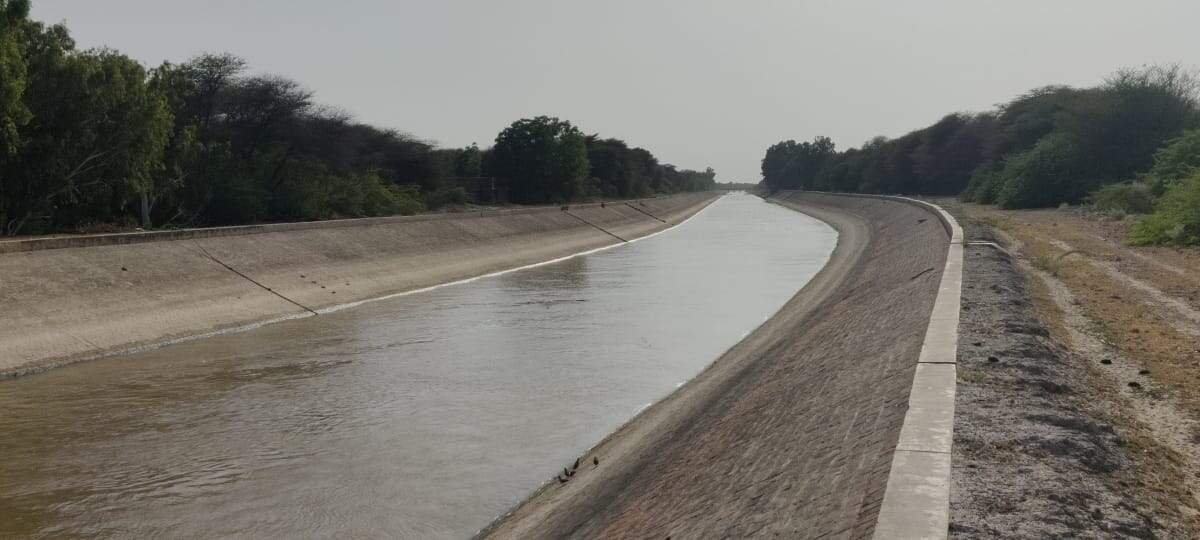
Jaipur: Rajasthan govt has rolled out a winter contingency plan to protect drinking water supplies during the festive season and colder months, amid concerns that poor rainfall has sharply depleted surface water sources across the state.Officials said existing reservoirs and other surface sources have fallen by nearly 30%, raising fears of water shortage even before summer, particularly in northern and north-western Rajasthan. District collectors have been empowered to approve emergency drinking water works worth up to Rs 75 lakh in each district for the Oct-Dec period. “After many years, contingency funds have been earmarked for drinking water supply during winter,” an official added.The plan was drawn up after district teams assessed the condition of local drinking water sources, groundwater levels, tubewells, open wells and possible alternative sources. Reports from collector offices will be used to identify pockets where supply is likely to remain vulnerable. “Once the sensitive areas are mapped, PHED will prepare the final operational plan,” another official said.Priority interventions will include drilling new tubewells, replacing faulty pumps and motors, repairing pipelines and strengthening local distribution networks. Public Health Engineering Department (PHED) will also arrange additional tankers wherever regular supply cannot be maintained.A senior PHED official said the situation is relatively better in Kota, Jhalawar, Deeg and Banswara. However, 14 districts have been classified as low-rainfall districts, 12 as below-average rainfall districts and 15 as normal rainfall districts.PHED has also begun preparing its summer contingency plan unusually early, anticipating higher pressure on supplies during peak season.