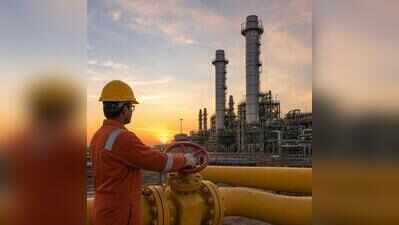
Jaipur: Rajasthan has been drawing some of the country’s costliest electricity from the 330MW Dholpur gas power plant, where generation costs touched Rs 46.09 per unit in Oct. However, the plant’s owner has no approved tariff agreement to recover the expense.Rajasthan Urja Vikas and IT Services Ltd (RUVITL), which procures power for discoms, has been relying on the plant during supply emergencies amid rising demand and limited availability in the market.In the first 12 days of Oct, the plant supplied electricity worth more than Rs 30 crore, with generation costs ranging between Rs 41 and Rs 46 per unit. Without a power purchase agreement (PPA) with an approved tariff, RVUNL cannot recover the cost from discoms and must absorb the financial burden.The Dholpur plant was also used during earlier supply crunches. It ran for five consecutive nights in July at Rs 30 per unit, costing nearly Rs 13 crore, and was deployed again in September at over Rs 35 per unit after coal shortages and thermal plant shutdowns.The Rs 46.09 per unitrate at Dholpur marks a new high in the country, but Rajasthan is not alone in turning to costly emergency power. In Tamil Nadu, TNPDCL recently agreed to pay up to Rs 37 per unit, its costliest purchase ever, to cover a 4,000MW shortfall caused by maintenance at central stations and reduced wind output as peak demand touched nearly 20,000MW.Like Rajasthan, Tamil Nadu had to fall back on expensive gas-based generation when coal power was not available in the open market.Industry stakeholders said the two cases point to a gap in power planning, especially the need for flexible and fast-responding sources that can cushion sudden supply-demand shocks.“Securing generation capacity isn’t enough. Power systems urgently need fast-responding, flexible energy sources to manage demand spikes without exorbitant costs,” said DD Agarwal, director at Samta Power, an NGO in the sector.He said the immediate priority is to manage the financial toll of emergency power while building scalable flexible generation.