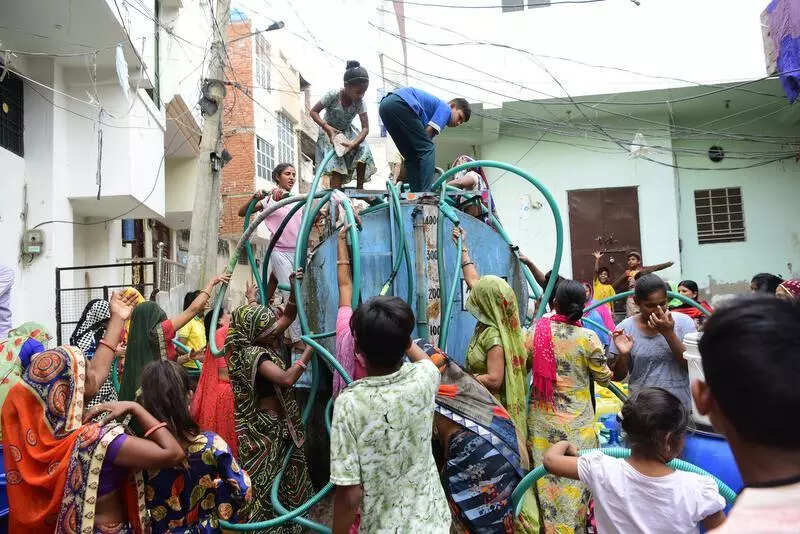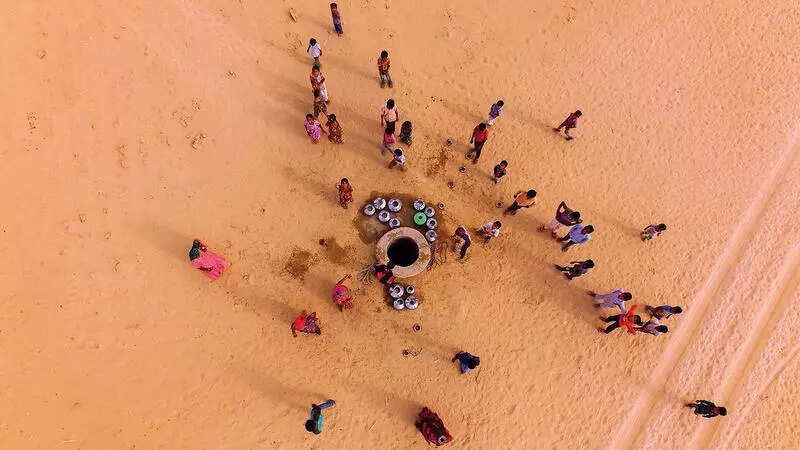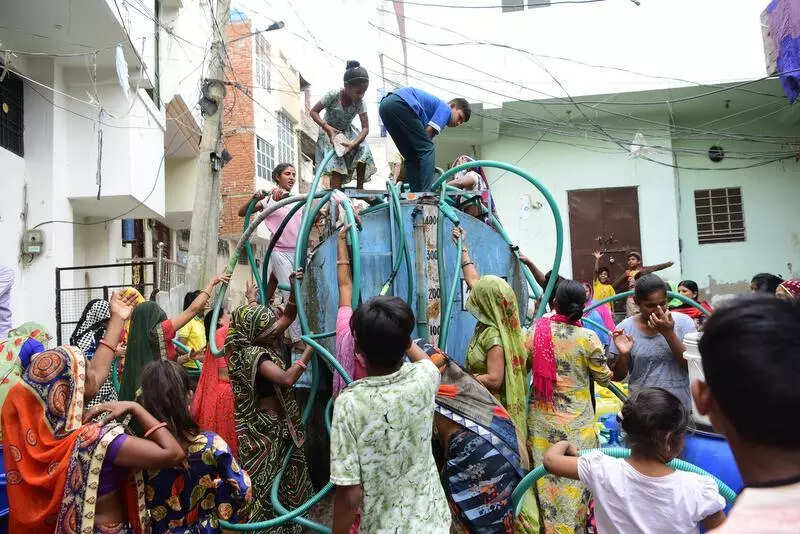
In several parts of Rajasthan, what flows from handpumps and borewells is raising new concerns. Recent findings from the Annual Ground Water Quality Report, released in Jan 2026, show that uranium levels in groundwater in multiple districts are well above safe limits, putting drinking water quality under scrutiny in the state’s dry regions.The numbers are worrying. In Bhojpura near Jaipur, uranium levels were recorded at 110 parts per billion (ppb), while Kohla village in Hanumangarh reported 119 ppb—almost four times higher than the World Health Organization’s safe limit of 30 ppb. In Pali district, Marwar Junction and Sojat showed 52 ppb and 60 ppb respectively, and Karmawas in Barmer recorded 54 ppb.These are not isolated cases. The report suggests a broader pattern across Rajasthan’s desert and hard-rock regions. Much of this, experts say, comes from nature itself. The state’s geology—rich in granitic and sedimentary rocks—allows uranium to slowly dissolve into groundwater over time. Conditions like alkaline water and high bicarbonate levels make it easier for uranium to move through aquifers.At the same time, human activity is making the situation worse. “As groundwater levels fall, we start tapping deeper layers where uranium concentrations are often higher. Agricultural practices, including the use of phosphate fertilisers, may also add to the problem, though to a lesser extent,” said Rajesh Goyal, soil scientist at the Central Arid Zone Research Institute (CAZRI).For people on the ground, the concern is real. In many rural areas, families depend almost entirely on untreated groundwater for drinking and cooking. Long-term exposure to uranium, experts warn, can affect kidney function and pose serious health risks.The report calls for urgent steps—better monitoring of groundwater quality, installation of treatment systems to remove uranium, and greater reliance on treated surface water in affected areas. With contamination now reported across districts like Jaipur, Hanumangarh, Pali and Barmer, the findings highlight a growing challenge that will need coordinated action before it turns into a larger public health crisis.
Uranium levels well above safety limits in many Raj districts, reveals groundwater quality report | Jaipur News