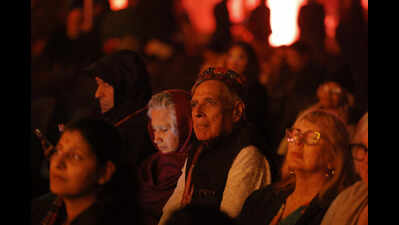
The Jaipur Literature Festival (JLF) 2026, held from Jan 15 to 19 at Hotel Clarks Amer in Jaipur, Rajasthan, concluded its five-day run as a significant cultural and economic event. As reported by organisers and extensively documented by attendees on social media platforms, the festival maintained its position as a major confluence of ideas, drawing substantial crowds and facilitating wide-ranging literary and intellectual commerce.Visitor demographics and attendance patternsThere was consistently high footfall across the festival’s duration. Attendees described large crowds populating the lawns, multiple stages, food courts, and commercial stalls. Visual posts on Instagram and Facebook captured a diverse audience mix, including literature enthusiasts, families, students, and professionals. Organisers reported an estimated annual return rate of approximately 30% among visitors, suggesting strong brand loyalty that contributes to the event’s sustained popularity and its impact on local tourism.Social media estimates and precedent suggest daily attendance in the tens of thousands. Past editions have drawn up to 300,000 visitors over the five days, and 2026 attendance appeared consistent with this scale. Crowd management was facilitated by a free, pre-registration system via the festival’s official website, with QR-code entry for general admission. Paid “Friends of the Festival” passes offered premium access, including lounge areas and exclusive events like the Heritage Evening at Amer Fort with a sound and light performance by Trilok Gurtu. and the concluding grand Writers’ Ball. The utilisation of buggies, shuttles and a dedicated festival app was noted as aiding navigation between concurrent sessions.Commercial frameworkThe festival’s commercial ecosystem was multifaceted, encompassing sponsorships, on-site sales, and broader tourism revenue. Sponsor branding was integrated across stages and materials, targeting premium audiences in education, publishing, technology, and hospitality sectors.The parallel Jaipur BookMark (JBM) focused specifically on publishing industry concerns, hosting sessions on marketing, the role of artificial intelligence, translation markets, and digital community building. This professional track complemented the public-facing festival.The direct economic impact on Jaipur was significant, with estimates cited in social feeds exceeding Rs 100 crore, with revenue generated through hotel bookings, hospitality services, local transportation, and retail. On-site commercial activity was robust, with dedicated areas for food courts, merchandise stalls, and art installations. General registration provided access to sales areas, with day passes reportedly starting from Rs 200.Book sales and publishing activityBook sales were a central component of the festival experience. Stalls from multiple publishers, positioned near session venues, facilitated direct purchases following author signings and talks. Social media updates showed active engagement in these areas, with attendees citing book shopping as a key activity alongside attending sessions and dining. Although specific sales figures were not disclosed in the sourced materials, the infrastructure—including JBM sessions on book launches and social media promotion—was designed to support a vigorous publishing marketplace. The presence of a wide range of publishers and the emphasis on new releases and translations indicated strong commercial interest and activity.Sessions and speakersThe intellectual core of JLF 2026 was its programming, which featured over 500 speakers participating in more than 300 sessions. The lineup demonstrated international and domestic breadth, featuring Nobel laureates, bestselling authors, politicians, technologists, and cultural commentators.Notable international speakers included literary figures such as Kiran Desai, Stephen Fry, Richard Flanagan, Jung Chang; public intellectuals & technologists Tim Berners-Lee (on web history), Leo Varadkar (on policy), Anne Applebaum (on history and journalism), Nicholas Stern (on climate) and performers such as Vir Das (discussing his work ‘The Outsider’). Prominent Indian voices featured authors Shobhaa Dé, Amish Tripathi, Sudha Murty, Anuradha Roy, Anand Neelakantan, Megha Majumdar; experts from diverse fields such as Vishwanathan Anand (discussing his memoir ‘Lightning Kid’), Gurcharan Das (on economics), Jeet Thayil (on poetry), former chief justice of India DY Chandrachud and Rujuta Diwekar (on health).Session topics and daily flowProgramming was thematically dense, covering literature, politics, technology, economics, gender, identity, sustainability, and the arts. A daily breakdown from social reports indicates:Day 1 focused on opening keynotes and fiction, with crowds forming early for sessions featuring Kiran Desai and Amish Tripathi.Day 2 explored global ideas and folk culture, highlighted by a performance by Bhanwari Devi and panels on digital literary communities.Day 3 centred on technology, artificial intelligence, and societal commentary, with notable sessions from Megha Majumdar and Vir Das.Day 4 offered diverse perspectives on innovation and heritage, featuring Sudha Murty, Stephen Fry, and Tim Berners-Lee, culminating in a Rajasthan-themed Heritage Evening at the historical Amer Fort and its ramparts.Day 5 concluded with discussions on geopolitics and literature, featuring figures such as Leo Varadkar, before the exclusive Writers’ Ball.Event engagement and impactSocial media echoes following the festival’s closure reflected a perception of a successful and energising event. Posts described “five memorable days of ideas” and celebrated the festival’s scale as “the world’s largest.” The festival structure, blending free general access with premium paid experiences, effectively catered to a broad demographic while ensuring revenue streams. The integration of commercial sponsorships, a professional publishing forum (Jaipur Bookmark), and direct sales channels within a dense program of discussions created a comprehensive ecosystem. The economic impact on Jaipur (reported to be well over Rs 100 crore) highlights the festival’s significance beyond literature, positioning it as a major annual driver for tourism and local commerce. JLF organisers have announced that the fourth edition of JLF Valladolid, Spain, will take place from June 11 to 14, 2026. Moreover, select sessions remained accessible virtually after the event, extending the festival’s reach and engagement beyond its physical conclusion.